
There are names that we never encounter in general knowledge quizzes or in classrooms, yet they have left an indelible mark on their territory. Léon Laleau, for example, has not found his place in school curricula, but his literary work continues to inspire those who take the time to discover it. Some destinies remain apart from national agitation, yet weave in the shadows the fabric of a region. Jeanne Barret, a pioneer of the female round-the-world trip, has, through her discoveries, revolutionized botany far beyond her hometown.
They never sought the limelight. Yet, these women and men have transformed their community, sometimes without even intending to. Other, more famous names have often overshadowed their memory. But, on country roads and in the streets of their towns, these figures hold a unique, solid, undeniable place.
Why do some local figures remain unknown despite their influence?
The collective memory has its habits: it prefers great heroes, flamboyant tales, and stories that make the headlines. However, it is enough to travel across France, from Brittany to New Aquitaine, to measure the richness of the detours and forgotten talents. The spotlight remains fixed on Paris, its literary circles, its publishers, and its institutions. This centralizing filter shapes the national pantheon, relegating to the margins those who work far from the capital. Georges Cadoudal, a chouan leader executed in Paris, embodies this paradox: a major figure in Brittany, he remains a discreet actor in the grand national tapestry.
In the Lot, the imprint of Jean-François Champollion, a child of Figeac and a genius of deciphering hieroglyphs, can be read on the walls, in museums, and even in the way the city claims its heritage. But his fame faces competition from more exposed figures. Transmission in schools does not always keep pace, depending on curricula and institutional priorities. Jeanne de Belleville, a female pirate, and Marion du Faouët, a gang leader in Cornwall, have long been mentioned only in hushed tones, in the stories passed down through generations.
The paths that mark a region do not resemble each other. Artists, scientists, resistors, or builders all leave their mark. The story of Esmeralda de Vasconselos, recently honored, shows that recognition is often acquired late, at the cost of collective efforts. Today, museums, associations, and local authorities are mobilizing to bring these stories out of oblivion.
Several factors explain why these personalities remain in the shadows. Here are the main elements that hinder their recognition:
- Geography: distance from centers of power limits the dissemination of actions and works.
- Gender: the place of women, long minimized in official narratives, hinders their visibility.
- Temporality: forgetfulness sets in, sometimes for centuries, before a rediscovery comes to restore memory.
Giving these figures their rightful place, from New Aquitaine to Berry, is to choose to value what official history has left aside. It is to offer regional culture the depth and diversity it deserves.
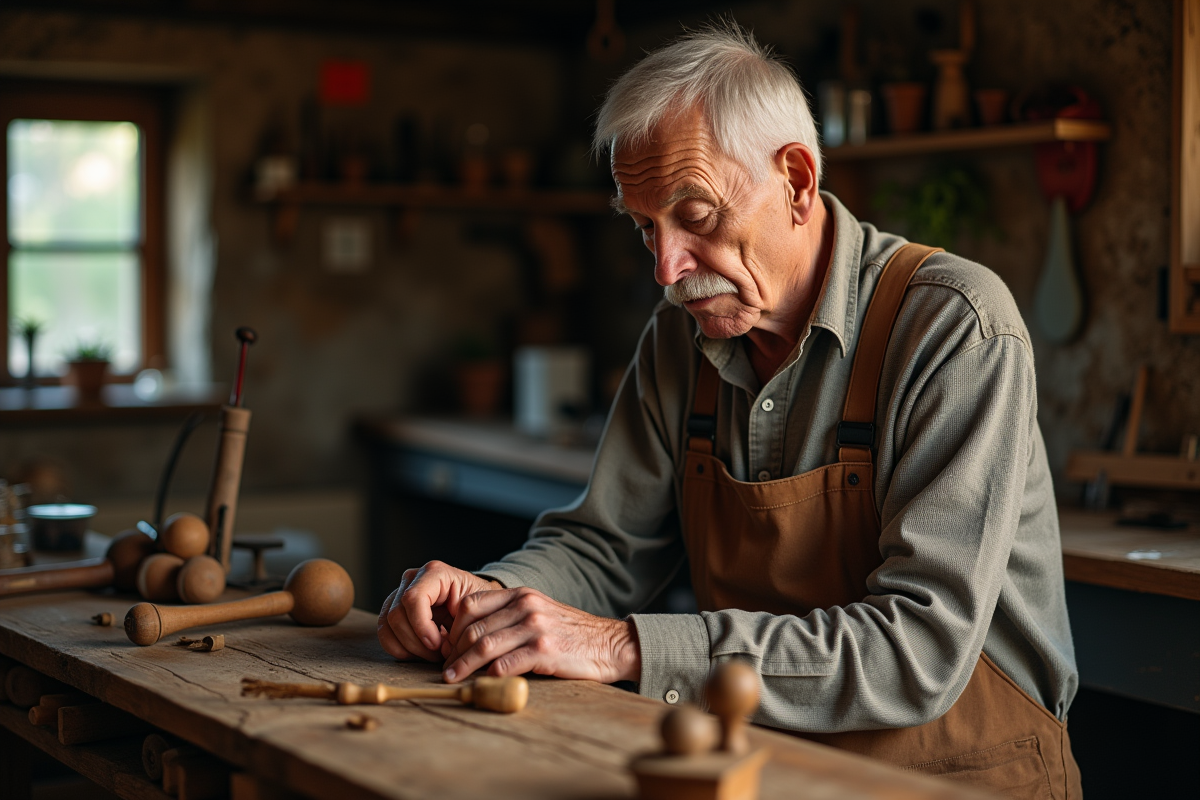
Portraits of discreet personalities who shaped the history of their region
France is full of discreet destinies that have left their mark, sometimes in silence, but never wavering. Georges Cadoudal, a figure of Breton resistance, embodied the tenacity of those who defend their land, even at the cost of their lives. Jeanne de Belleville, a female pirate, chose action to honor her husband’s memory, defying the sea and conventions. Her name, long kept at bay, is now returning to discussions that animate Breton ports.
In Occitanie, Marion du Faouët led a band of brigands, commanding respect in a male-dominated world. Her story reveals an often-ignored aspect of women’s ability to lead, decide, and inspire. Eugénie Niboyet, a journalist, created La Voix des Femmes, opening a new space for women’s voices and contributing to the history of feminism in France.
Berry, a land of inspiration, saw the birth of Marguerite Audoux, awarded the Fémina prize for “Marie-Claire,” and Alain-Fournier, whose Grand Meaulnes continues to move readers. Jacques Cœur, the great financier of Charles VII, transformed Bourges, even inscribing his name in the stone of his palace.
Other talents have shaped their environment, each in their own way. Here are a few examples that illustrate this plurality:
- Art: Jean Lurçat, a pioneer of modern tapestry, gave the Lot a new place on the map of artistic creation.
- Heritage: Jean Mouliérat saved the castle of Castelnau-Bretenoux, turning it into a meeting place for Colette, Rodin, and Henri Martin.
- Science: Jean-François Champollion, originally from Figeac, uncovered the secret of hieroglyphs and transformed our understanding of ancient Egypt.
These trajectories, woven with commitment, creation, and resistance, compose the living memory of a France where each region carries within it unknown heroes. At a time when we seek models, sometimes it is enough to look up at these discreet names engraved in stone or passed down from mouth to ear. Who knows what stories our territories still hold to reveal?