
Some property owners now receive real-time notifications about the status of their tenants or the energy performance of their buildings. Others, on the contrary, struggle to find a property deed in a saturated inbox. Digital property management companies are multiplying automated offers, while legislation struggles to keep pace with innovations.
Digital platforms are reshaping daily management, but the technological divide persists. Between automation, remote management, and new business models, habits are evolving without following a single model or guaranteeing the promised simplicity.
The digitalization of real estate: between promises and daily upheavals
The digitalization of the real estate sector disrupts established practices and forces everyone to rethink their approach. In just a few years, digital transformation has penetrated the French real estate market, compelling professionals and individuals to rethink how they act, communicate, and manage. Collaborative platforms, paperless management, artificial intelligence tools, and big data: everyone is adapting, sometimes under pressure, sometimes with enthusiasm, always with a hint of uncertainty.
The emergence of new technologies has raised the bar. Property owners expect agile, personalized services. Real estate agencies and real estate agents are adopting digital tools: from shared calendars to virtual reality for remote viewings, the offers are multiplying. Today, checking the status of a property, accessing documents, and communicating with one’s manager all happen in just a few clicks. Platforms like my account MyFoncia embody this new management: contracts available at any time, secure archiving, payment tracking, each procedure gains in speed and fluidity.
The digital revolution does not spare rural areas. Paris, but also small municipalities, are integrating the internet of things to control energy consumption or anticipate maintenance interventions. The digitalization of the real estate sector is redefining the relationship between landlords and tenants, between property owners and service providers: exchanges are becoming more direct, responsiveness is becoming the norm, but expectations are also rising. This evolution, far from being anecdotal, shifts the lines of trust and transparency, which are now essential pillars in the sector.
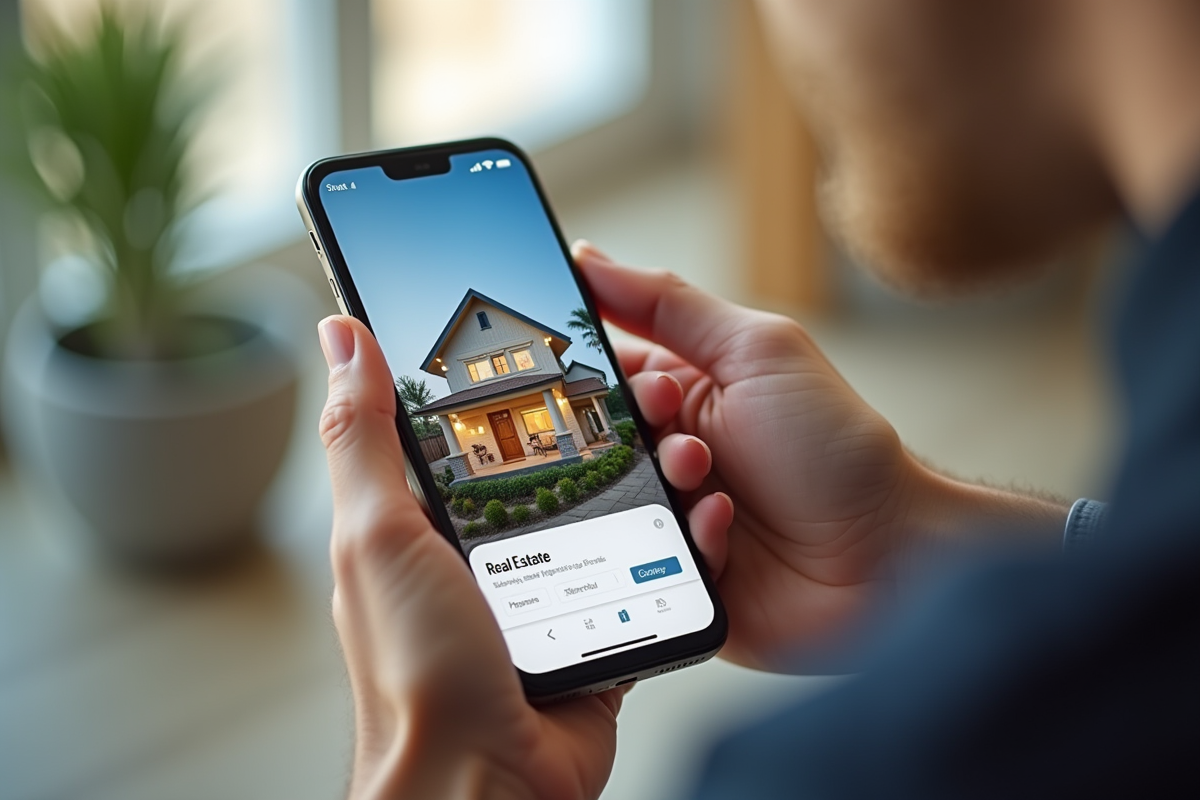
What tools and practices to adopt for better property management in the digital age?
The management of real estate assets now revolves around a wide range of digital tools that change the game daily. Real estate agencies are modernizing their services: exchanges are becoming faster, transactions more secure, and responsiveness is becoming the norm. Thanks to electronic signatures, travel is a thing of the past, and contract conclusion is becoming more efficient. Electronic registered letters provide the security and speed expected for regulatory notifications.
It is impossible to ignore the rise of virtual tours. Immersive remote visits offer the freedom to discover a property without the constraints of time or location. For property owners, it is a considerable time saver; for tenants or buyers, it ensures they can target their search effectively before visiting. Management tools gather all useful documents, automate payment reminders, and simplify exchanges with all partners, whether they are social or private landlords.
Here are some concrete solutions that are becoming essential in the toolkit of the modern manager:
- Collaborative platforms to communicate with service providers and track the progress of maintenance or renovation work.
- Artificial intelligence to analyze market trends and fine-tune rental or sales strategies.
- Building Information Modeling (BIM) to visualize, anticipate, and optimize the technical management of a property over the long term.
The tokenization of real estate assets also opens up new perspectives: it allows for the acquisition or investment in a property in fractions, fundamentally changing access to ownership. Landlords are embracing these new tools, betting on data reliability and transparency in processes. Ultimately, digital transformation pushes each actor to rethink their way of working, to find the right balance between rigor and flexibility, in a world where management aims to be clearer, but never entirely automatic.
Tomorrow, managing real estate may involve a simple gesture on a smartphone. But the real revolution lies in how each owner, each professional, embraces these new reflexes. It is up to everyone to invent their way of living in modernity.