
Among 18-24 year-olds, 57% report having boycotted a beauty brand for ethical reasons in 2023, according to a Kantar report. Specialized retailers have noted a 22% increase in sales of products featuring environmental labels over the past two years. In this context, major brands are multiplying partnerships with companies adopting vegan formulas or refillable packaging.
Historical players in the sector are accelerating the transformation of their retail spaces to meet these new expectations. Initiatives promoting inclusion and transparency are becoming as decisive criteria as product recognition.
Why Generation Z is Redefining Expectations for Responsible Beauty
For young adults in Generation Z, buying a cosmetic product without considering its impact is no longer acceptable. They expect, with evidence in hand, a clear commitment from brands. Transparency about ingredients, packaging designed to be recycled, attention to every stage of production: everything is scrutinized by this clientele that is not swayed by mere advertising rhetoric. In stores as well as on social media, their purchasing power makes a difference: now, ethics take precedence over slogans.
Whether in Paris or a small provincial town, the focus on the origin of products has sharpened. The “made in France” label, associated with short supply chains, reassures and attracts, particularly for its low environmental impact. Ecological concerns are paramount, as are demands for diversity and accessibility: responsible beauty is no longer limited to a few niche references; it is emerging as a standard in its own right.
The question of Typology at Sephora keeps coming up, a sign that even distribution models are being challenged by this desire for coherence and transparency.
Here’s how this generation is leaving its mark on the sector:
- “Eco-friendly” labels and vegan ranges are multiplying to meet the expectations of an informed audience.
- Traceability and sustainability are now key arguments in cosmetics.
- Generation Z, through its choices and demands, is setting a new pace for the entire market.
In response to this evolution, brands are reacting: they are transforming their sales spaces, rethinking their communication, and reassessing their priorities. The future of beauty is now at the intersection of responsibility and innovation.
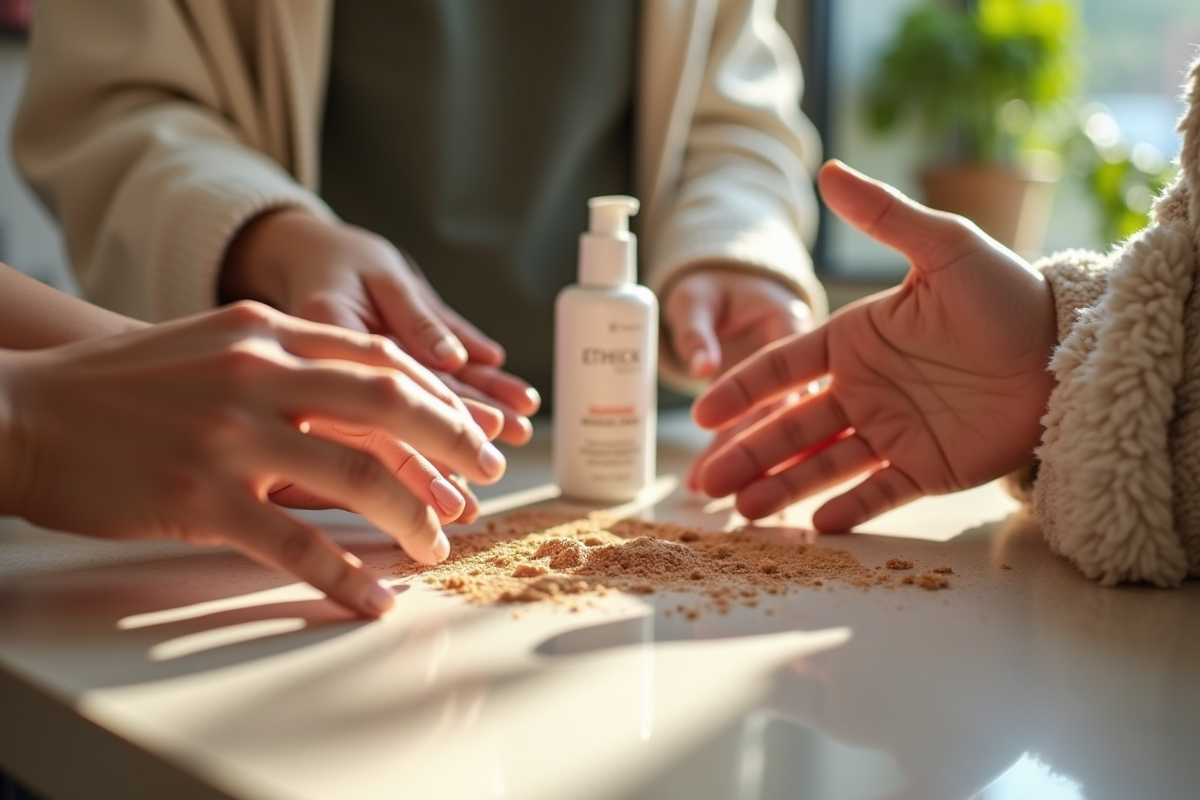
Concrete Commitments: How Luxury Brands are Adapting in Stores for Greater Inclusion and Eco-Responsibility
In high-end stores, the era of empty promises is over. Customers expect tangible proof: responsible commitment is visible, experienced, and embodied as soon as they step through the door. Social responsibility and eco-responsibility are present in every detail, from material choices to staff training.
Initiatives are multiplying among French brands, often pioneers in this area. Reducing carbon emissions at every stage of the product cycle, prioritizing furniture from responsible sources, adopting low-energy lighting: every gesture counts. The commitment doesn’t stop there: some retail locations offer personalized diagnostics, incorporating inclusion criteria that cater to all skin tones and profiles. The first “responsible fashion” lines mark a turning point, showcasing a strategic choice in favor of the environment. For example, the Yves Rocher Foundation is actively involved in reforestation and biodiversity protection, linking beauty with positive action on the ground.
Several axes structure this transformation:
- The traceability of raw materials, often of French origin, reassures a clientele seeking trust and transparency.
- Clothing and accessories “made in France” are showcased in windows, synonymous with durability and local craftsmanship.
- Social media supports these changes, showcasing behind-the-scenes insights and concrete advancements.
Inclusion, far from being just a buzzword, is reflected every day in the diversity of collections offered and the welcome extended to all in stores. This dynamic, driven by beauty and fashion, is shaping a new way of consuming, attentive to the global impact and respectful of everyone.
Responsible beauty is no longer just a marketing effect: it is present on the shelves, embodied in daily choices, and shaping the customer experience. There is no turning back now: the game has changed, and the movement shows no signs of weakening.